Protecting Hearing Aids During Yard Work and Outdoor Projects
If you spend any real time outside in Central Oregon, you know that a yard
We are proud to be Bend’s exclusive local provider of Lyric, returning this unique hearing solution to our community! Learn More

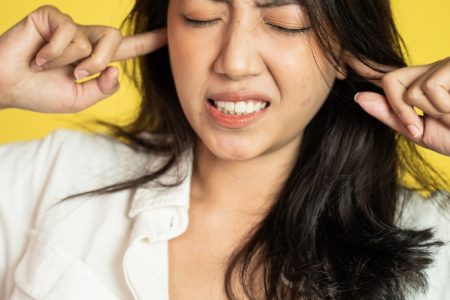
By: admin | June 17, 2025
Protecting our hearing is one of the smartest investments we can make in our long-term health and well-being.
With so many sources of loud noise in daily life, from concerts and movies to motorcycles and earbuds, our ears are constantly at risk. Once our hearing is damaged, it’s often permanent, so taking simple steps now can make a real difference.
We often overlook how easy it is to prevent hearing loss by adopting just a few effective habits. Whether we’re commuting, enjoying music, or spending time in noisy environments, there are proven strategies we can use to safeguard our hearing.
By paying attention to our everyday choices, we can minimize risks and keep enjoying the sounds we love for years to come. Let’s explore five practical tips to help us protect our hearing starting today.
Hearing loss can affect people of any age, often progressing gradually or appearing suddenly due to a clear cause. We must recognize what leads to hearing damage, the unique dangers of noise exposure, and the subtle warning signs that indicate a problem.
A variety of factors can contribute to our risk of developing hearing loss. Regular exposure to loud environments, such as concerts, construction sites, or even a consistently noisy workplace, increases the likelihood of hearing damage.
Genetic predispositions also play a significant role. If our close relatives have hearing issues, we may be at a higher risk ourselves. Certain medications, known as ototoxic drugs, can impact hearing health—these include some antibiotics and chemotherapy agents.
Chronic health conditions such as diabetes and cardiovascular disease have also been linked to reduced hearing ability. As we age, natural changes in our inner ear can further compound these risks.
Noise-induced hearing loss (NIHL) is one of the most preventable yet common types of hearing loss. It occurs when our ears are exposed to sounds above safe levels—typically over 85 decibels (dB)—for an extended period or through sudden loud bursts, like gunshots or explosions.
Frequent exposure to activities such as shooting ranges, live music venues, and even movie theaters can be harmful if we don’t take precautions. Sound intensity and duration are key: the louder and longer we are exposed, the greater the risk.
Prolonged NIHL not only affects our ability to hear high frequencies but can also increase the risk of developing other health issues, including social isolation or a higher chance of dementia. Using hearing protection and reducing exposure are essential steps for prevention.
Recognizing early signs of hearing loss helps us address the issue before it worsens. We might notice needing to increase the volume on our TV or phone, or having trouble understanding conversations in noisy settings.
Other warning signs include frequently asking people to repeat themselves or experiencing a persistent ringing or buzzing sound, known as tinnitus. Mild hearing loss can cause us to feel fatigued after social gatherings, as our brains work harder to process conversations.
If we notice these indicators, seeking a professional hearing evaluation is crucial. Early detection allows for timely interventions that can help protect our hearing health and overall well-being.
Protecting our hearing requires intentional steps. We should make informed choices about reducing noise exposure and using reliable protection to help maintain our auditory health.
Exposure to sounds above 85 decibels (dB) can increase the risk of permanent hearing loss. Concerts, fireworks, and even some workplace settings can exceed safe sound levels.
Whenever possible, we should avoid spending extended time near loud noises. Limiting our time near speakers at music venues or in noisy bars can reduce our risk. If we must be around loud noise, moving away from the source—even by a few feet—helps lower our exposure.
Certain activities, such as mowing the lawn or attending sports events, regularly expose us to harmful noise levels. Monitoring the volume when listening to music, especially with headphones, is equally important. Keeping music below 60% of the maximum volume and avoiding prolonged listening sessions can protect our ears.
In situations where we cannot avoid loud noise, using ear protection is essential. Devices like foam earplugs, earmuffs, and noise-canceling headphones are proven to reduce harmful sound exposure.
Earplugs are small, disposable, and fit directly in the ear canal. They are both affordable and portable, making them suitable for concerts or when using power tools. Earmuffs cover the entire outer ear and are ideal for environments with consistent loud noise, such as construction sites.
For young adults attending music festivals or clubs, specialized musicians’ earplugs can lower sound levels evenly while preserving sound quality. Noise-canceling headphones are useful for reducing background noise and allow us to listen at a lower, safer volume. We must ensure our devices fit well and are worn consistently to maximize protection.
Continuous noise exposure, even at moderately high levels, can increase our risk for hearing problems like tinnitus. Taking short, frequent breaks from noisy environments gives our ears essential recovery time.
During concerts, we might step outside every hour or move to a quieter zone in the venue. At work, following guidelines for noise exposure and utilizing designated quiet areas can help. If possible, rotating between quieter and noisier tasks is recommended.
We should also rest our ears after listening to music with headphones. For instance, the “60/60 rule”—listening at no more than 60% volume for no more than 60 minutes at a time—offers protection from overexposure. Regular breaks help our ears recover and reduce long-term risk.
It’s key to be proactive about monitoring sound levels. We can use smartphone apps or dosimeters to measure the decibel levels in our surroundings. Keeping ambient noise below 70 dB at home and work helps prevent gradual hearing loss.
When adjusting the volume on personal audio devices, avoid setting it above half the maximum capacity. Many smartphones now provide volume-limiting and warning features to alert us when sound levels are unsafe. Engaging parental controls to monitor young adults’ listening habits is also a practical strategy.
At home, we can arrange furniture and add noise-absorbing materials—such as rugs and curtains—to help reduce echo and overall noise. Small changes in our daily habits make significant differences in our hearing health.
Addressing hearing health requires more than prevention—it means knowing when to get tests, how to communicate effectively, and what to do if hearing loss develops. Taking timely action and connecting with professionals helps us maintain our hearing and overall quality of life.
Regular hearing tests play a critical role in the early detection of hearing changes. Hearing checkups allow us to catch issues before they become severe or affect daily activities.
We should schedule hearing tests at least every few years, or more often if we work in noisy environments or have a history of hearing loss in our families. Early identification enables prompt treatment, whether that involves protective strategies or medical interventions. Consistent checkups also help us monitor any gradual changes and make adjustments as needed.
Seeking help from an audiologist or hearing specialist is essential when we experience signs of hearing trouble. Common indicators include frequently asking others to repeat themselves, difficulty following conversations, or needing to turn up the volume on devices. These symptoms suggest it’s time to book an appointment for a professional evaluation.
If we notice sudden hearing loss, ringing in the ears (tinnitus), or increased sensitivity to sounds, prompt consultation is necessary. Hearing professionals can offer in-depth assessments and recommend tailored solutions. Trusting a specialist ensures we receive reliable advice and the support needed to prevent further hearing loss.
Living with hearing challenges requires practical communication solutions. We can let others know about our hearing difficulties and request that they speak clearly and at a moderate pace. Facing the person speaking and minimizing background noise can improve understanding during conversations.
Using assistive listening devices, such as amplified telephones or captioned TV, helps us stay engaged and reduce frustration. Group conversations may require us to sit closer to the main speaker or choose quieter environments for discussions. By advocating for ourselves and using available resources, we foster better communication and participation.
When hearing loss is confirmed, various management options exist to support us. Hearing aids are the most common solution and come in many styles to meet different needs. These devices amplify sounds, making it easier to participate in conversations and daily life.
A hearing specialist might recommend cochlear implants or other medical devices for severe or profound hearing loss.
Ongoing support, such as hearing rehabilitation or counseling, can help us adjust and maximize the benefits of these devices. By exploring all available resources and staying in close contact with professionals, we can manage hearing loss more effectively and continue to lead active lives.
Tags: hearing loss prevention tips, hearing protection products, noise-induced hearing loss
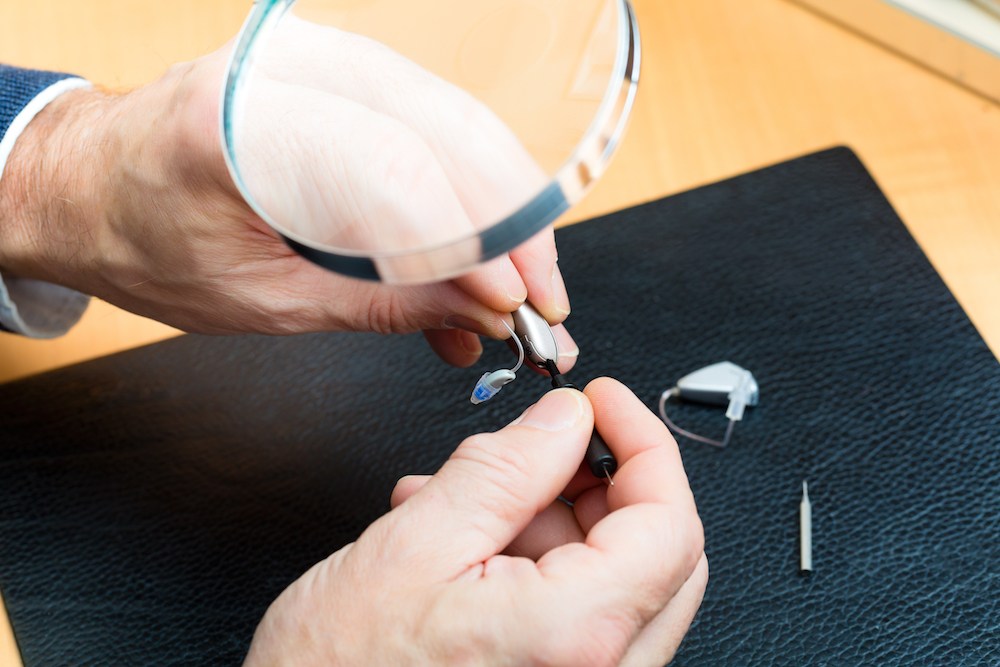
If you spend any real time outside in Central Oregon, you know that a yard
By: admin | April 22, 2026
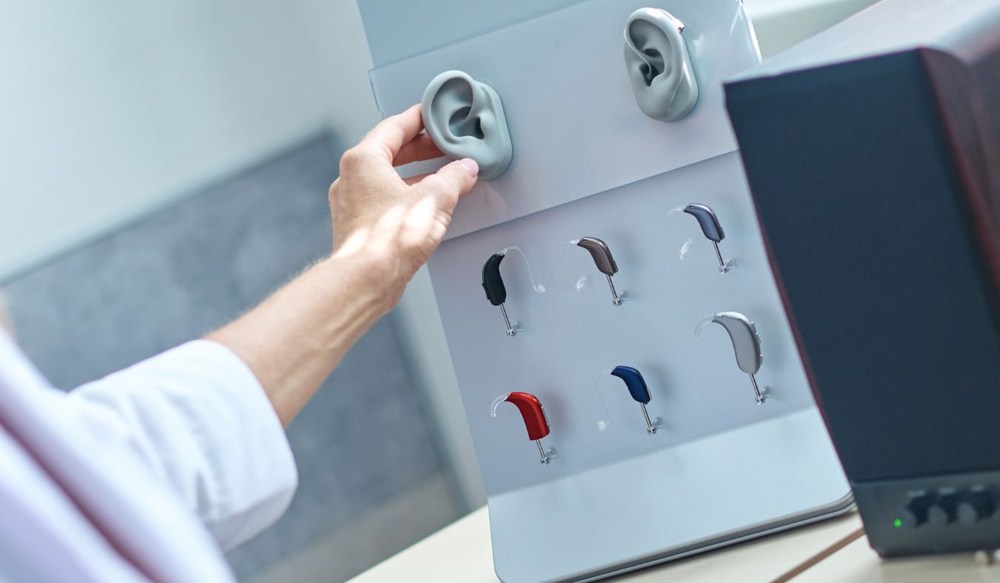
If you’re planning a winter trip and you wear hearing aids,
By: admin | February 20, 2026
You know that feeling when something is bothering you, but you cannot
By: admin | June 17, 2025