What You Need to Know About Traveling with Hearing Aids in Cold Weather
If you’re planning a winter trip and you wear hearing aids,
We are proud to be Bend’s exclusive local provider of Lyric, returning this unique hearing solution to our community! Learn More

By: admin | June 17, 2025
For many of us, the sensation of clogged ears can be uncomfortable, whether it happens during a flight, after swimming, or even while driving up a mountain.
Popping our ears safely can bring quick relief by equalizing pressure in the ear and restoring normal hearing. Swallowing, yawning, chewing gum, or performing gentle maneuvers can help with this process.
Understanding how and why our ears get blocked is important for preventing discomfort and avoiding unnecessary complications. By learning the right techniques, we can manage our ear health better and avoid potential risks. Let’s explore safe and effective ways to pop our ears and keep them functioning well.
Ear popping is usually linked to changes in pressure around us or within our ears. To understand why this happens, we need to look at the way our eustachian tubes function and what can disturb our ear pressure.
Our ears connect to the back of the throat through narrow passages called eustachian tubes. These tubes open and close to equalize the air pressure behind our eardrum with the outside environment.
These tubes stay closed most of the time. Simple actions like swallowing, yawning, or chewing cause them to open briefly. When the tubes open, they allow air to flow into or out of the middle ear, keeping the pressure equal on both sides of the eardrum.
If the eustachian tubes fail to open properly, we may feel a sensation of fullness or discomfort, or experience muffled hearing. Children’s eustachian tubes are shorter and more easily blocked, so they are more prone to issues like clogged ears or infections.
Ear pressure builds up when there is a difference between the air pressure in our middle ear and the surrounding environment. The middle ear is a closed space, so even minor changes in atmospheric pressure can make a noticeable difference.
When our eustachian tubes are blocked or do not function efficiently, it becomes harder for the ears to adjust to quick changes. This can result in the feeling of pressure, popping sensations, or even mild pain.
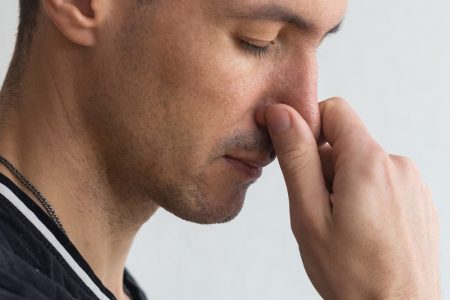
Common signs of ear pressure include discomfort, reduced hearing, and an urge to “clear” our ears. When the eustachian tube finally opens—often with a pop—the pressure equalizes, and the discomfort usually goes away.
Ear pressure and discomfort can be managed with simple, effective techniques that focus on opening the eustachian tubes to equalize pressure. These practical approaches can help relieve ear fullness and restore normal hearing sensations.
Swallowing and yawning naturally help open the eustachian tubes, which connect the middle ear to the back of the throat. This action allows trapped air to move, equalizing the pressure on both sides of the eardrum.
We can encourage swallowing by sipping water, sucking on hard candy, or chewing gum. Each swallow and yawn causes a small, temporary opening of the eustachian tubes, which often leads to a popping sensation in the ears.
If our ears feel blocked during a flight or after a change in altitude, we should try swallowing or yawning repeatedly. These methods are gentle, require no special equipment, and pose minimal risk when used properly.
The Valsalva maneuver is a controlled breathing technique that we can use if swallowing or yawning does not work. To perform it:
We should stop immediately if we feel pain or discomfort while attempting the Valsalva maneuver. This technique is helpful for relieving ear pressure during rapid altitude changes, but it should be done with caution.
The Toynbee maneuver combines swallowing with closing the nostrils, making it another safe and effective option. To do this maneuver, we should:
The Toynbee maneuver is gentle and can be repeated several times if necessary. It offers an alternative to the Valsalva maneuver, especially if we find the latter uncomfortable or ineffective.
Warmth and moisture can help loosen mucus and promote the natural opening of the eustachian tubes. For steam inhalation, we should fill a bowl with hot water, cover our head with a towel, and inhale the vapor for several minutes.
Another option is to apply a warm compress, such as a clean, damp washcloth, against the affected ear. This can soothe the area and encourage drainage or movement of trapped air.
Both methods provide gentle, non-invasive ways to relieve ear pressure. Although these techniques do not guarantee immediate ear popping, they can make the process more comfortable and are especially useful if congestion is present.
Sometimes, home remedies are not enough to relieve ear pressure or resolve Eustachian tube dysfunction. In those cases, medical treatments can provide safe and effective relief, but we must also be aware of certain risks and warning signs.
Nasal decongestants are useful when ear pressure is due to congestion from a cold, sinus infection, or allergies. These medications, which often contain pseudoephedrine or phenylephrine, work by reducing swelling in the nasal passages and Eustachian tubes. This can help air move more freely and may allow our ears to pop more easily.
Nasal sprays, such as oxymetazoline or saline sprays, are applied directly into the nose. They target inflammation and swelling, providing localized relief. However, decongestant nasal sprays should not be used for longer than 3-5 days, as prolonged use can lead to rebound congestion, making symptoms worse.
We should always follow dosing instructions carefully and speak with our healthcare provider before starting any new medication, especially if we have heart conditions, high blood pressure, or diabetes.
Antihistamines help manage symptoms from allergic reactions, including congestion that can block the Eustachian tubes. Common over-the-counter antihistamines like loratadine, cetirizine, or fexofenadine are effective at reducing sneezing, runny nose, and swelling. This, in turn, may ease pressure in our ears and make popping them simpler.
For those with frequent allergy symptoms that contribute to ear fullness, long-term allergy management is important. Strategies include regular use of nasal steroid sprays (like fluticasone), avoiding known allergens, and using allergy-proof bedding. These steps can help maintain clear nasal passages and reduce our risk of Eustachian tube dysfunction over time.
Not all antihistamines are suitable for everyone, so we should be mindful of side effects such as drowsiness or dry mouth, especially if we need to stay alert.
Ear symptoms that do not improve after a few days of self-care or symptoms such as severe pain, hearing loss, pus or drainage, fever, or dizziness should be reported to a healthcare professional. These could indicate an ear infection, barotrauma, or other issues that require prompt medical evaluation.
Recurrent or persistent ear pressure may indicate chronic eustachian tube dysfunction. A physician can offer further evaluation, recommend prescription medications, or refer us to an ear, nose, and throat (ENT) specialist if needed.
Immediate attention is necessary if we notice sudden hearing loss, severe pain, or symptoms after trauma. Early treatment for ear infections or other complications is important to prevent lasting damage.
Popping our ears is usually safe but can be dangerous if performed incorrectly or too aggressively. Addressing underlying causes and taking care during altitude changes can help us avoid complications such as pain, ear fullness, or tinnitus.
When popping our ears, it’s important to avoid excessive pressure. Forcing air into the ear canal or pinching our nose too tightly during maneuvers like the Valsalva method can cause damage.
Sharp objects or persistent, forceful techniques can cause ear drum injury, increased pain, or even hearing loss. We should never insert anything into the ear canal.
When pain persists or worsens after ear popping, we need to seek medical attention. Children and those with underlying ear conditions should take extra precautions and consult a healthcare professional before trying to self-treat ear issues.
The feeling of fullness in the ear often comes from changes in pressure or congestion. Popping our ears can relieve this, but if the sensation continues, it may indicate fluid buildup or infection.
Some people experience tinnitus—a ringing or buzzing sound—after pressure changes. If tinnitus arises or becomes persistent, it’s a sign to contact an audiologist or healthcare provider, as this could signal a more serious issue.
To safely alleviate discomfort, we can use gentle methods such as swallowing, yawning, or chewing gum. If these do not work, it’s best to pause and avoid aggressive techniques.
Rapid altitude changes, like those during air travel or mountain drives, can cause discomfort, fullness, or difficulty equalizing pressure. Preventative steps reduce risk during these times.
Staying hydrated and using decongestant nasal sprays (under guidance) before a flight or drive over high elevations may help. We should avoid flying or traveling during sinus or ear infections whenever possible.
We can also perform pressure-equalizing moves—like swallowing, sucking on candy, or gently popping our ears—during takeoff and landing. Avoiding heavy sleeping during descent helps us respond to pressure changes in real time.
Taking time to rest if our ears are uncomfortable is important for recovery. Avoiding repeated or forceful attempts to pop our ears can prevent further irritation.
If symptoms like pain, persistent fullness, or tinnitus do not improve after using gentle ear-popping methods, consider seeking professional evaluation. Avoiding triggers, like allergens or exposure to loud noises, also supports our ear health.
Supporting our body with adequate rest, hydration, and gentle care can speed up healing and reduce complications. Keeping track of symptoms helps us know when additional medical care is needed.
Tags: clogged ears, ear popping, eustachian tubes
If you’re planning a winter trip and you wear hearing aids,
By: admin | February 20, 2026
You know that feeling when something is bothering you, but you cannot
By: admin | June 17, 2025
Understanding how to use earplugs properly is crucial whether we need to
By: admin | June 17, 2025