What You Need to Know About Traveling with Hearing Aids in Cold Weather
If you’re planning a winter trip and you wear hearing aids,
We are proud to be Bend’s exclusive local provider of Lyric, returning this unique hearing solution to our community! Learn More

By: admin | June 17, 2025
Understanding how to use earplugs properly is crucial whether we need to focus in a noisy office, protect our hearing in loud environments, or get a better night’s sleep.
Using earplugs safely shields our ears from harmful noise and prevents discomfort and potential injury. Too often, the right techniques for wearing and caring for earplugs are overlooked, leading to less effective protection.
In this complete guide, we’ll cover everything we need to know about safely wearing earplugs—the types available, how to insert and remove them correctly, and tips for choosing the right fit. Our goal is to ensure everyone feels confident using earplugs to safeguard their hearing and promote comfort in noisy settings.
Earplugs are small devices that protect our ears from excessive noise, water, or debris. Choosing the right type and using them correctly can significantly impact our hearing health and comfort.
There are several main types of earplugs, each made from different materials and designed for specific uses.
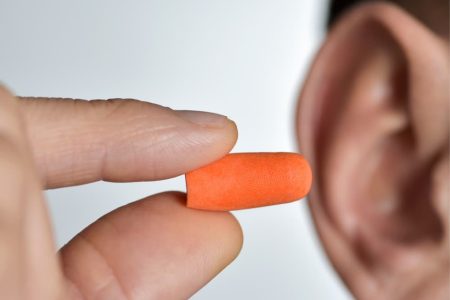
Foam earplugs are usually disposable and lightweight and expand to fit the shape of the ear canal.
Silicone earplugs, which offer water resistance and durability, can be found in moldable and premolded forms. Wax earplugs, on the other hand, are moldable and effective at sealing out both water and sound.
We also have custom-made earplugs, which are uniquely molded to our ears by professionals. These offer maximum comfort and a consistent fit, especially for regular use. Reusable earplugs, often made from silicone or other flexible materials, can be washed and used multiple times, making them cost-effective and eco-friendly.
Earplugs create a physical barrier that limits the entry of sound waves, water, or particles into the ear canal. The effectiveness of noise reduction is measured by the Noise Reduction Rating (NRR), which helps us determine how much hearing protection a specific pair of earplugs offers.
Foam and custom earplugs usually provide the highest NRR values and are suitable for loud environments, such as concerts or construction sites. Silicone and wax earplugs typically provide moderate noise reduction and are preferred for comfort or water protection. Proper placement and sizing are essential because a poor fit can reduce their effectiveness.
Using earplugs offers significant benefits for our ear health and well-being. Noise reduction is the primary advantage, helping us protect our hearing in noisy settings and reducing the risk of noise-induced hearing loss. Earplugs are helpful in many environments, including workplaces with high machinery noise, concerts, and sleeping in noisy areas.
They also help us block distractions, improving our focus and sleep quality. Reusable and custom earplugs provide comfort during prolonged use and can be tailored to our needs.
For swimmers, certain earplugs prevent water from entering the ear, helping reduce the risk of ear infections. Proper ear protection is a simple but effective way to safeguard one of our most important senses.
Proper use of earplugs is essential to protecting our hearing and maintaining ear health. Choosing the right type, ensuring a secure fit, and following the correct steps can significantly improve comfort and noise reduction.
We must select earplugs that match our needs and ear canal size. Common varieties include:
Foam options are usually best for short-term needs. Reusable or custom types may provide greater comfort and durability for frequent use. Sizing also matters. Ill-fitting earplugs can lead to poor noise reduction and discomfort. If unsure, we can consult a hearing specialist or look for a sizing guide from the manufacturer.
A proper fit ensures the earplug seals the ear canal effectively while remaining comfortable for several hours. Earplugs that are too small may not block noise adequately, while plugs that are too large might cause pain or pressure. We should feel gentle but consistent pressure with the plug seated in place.
The Consumer Reports guide suggests cupping our hands over our ears with earplugs inserted to check the fit. If outside noise noticeably decreases, the plugs aren’t seated correctly. Loose fits allow noise and may let earwax build up around the plug’s edges, risking ear irritation.
Using earplugs improperly can lead to hearing health issues such as impacted earwax or even ear infections. Awareness of common mistakes, preventative measures against earwax buildup, and knowing when to seek help for ear discomfort are vital for safe use.
We often underestimate how poor handling and incorrect insertion of earplugs increase the risk of problems. Failing to wash hands before inserting earplugs can introduce bacteria and raise the risk of infection.
Using the same disposable earplugs repeatedly fosters bacterial growth and degrades their effectiveness. Earplugs not inserted fully won’t provide adequate noise reduction, making them less protective for our hearing health.
Improper removal—such as pulling too quickly—can irritate the ear canal. Sharing earplugs with others is strongly discouraged since it increases the likelihood of germs or debris passing between users.
A quick checklist to minimize mistakes:
Earplugs can contribute to increased earwax production or push earwax deeper into the ear canal. Over time, this can lead to impacted earwax, causing discomfort, muffled hearing, or even temporary hearing loss.
It’s important to avoid wearing earplugs for long, continuous periods, especially overnight, to let the ears ventilate. We should regularly clean reusable earplugs according to the manufacturer’s instructions and replace them as recommended.
If we notice a feeling of fullness, pressure, or decreased hearing, we should consider taking a break from earplug use and, if necessary, consult a healthcare provider. For those especially prone to earwax buildup, scheduling periodic ear checks is wise.
If used incorrectly or left in for too long, earplugs can create a warm, moist environment that promotes bacterial growth. Early signs of an ear infection include pain, itching, redness, fluid drainage, or persistent discomfort around the ear canal.
If we experience symptoms like sharp pain, swelling, or an unpleasant odor coming from the ear, we must remove the earplugs immediately and seek medical advice. Ignoring symptoms or continuing use often worsens the infection and may risk our overall hearing health.
Keeping ears dry and only using clean earplugs helps reduce the risk. However, if we have open sores, active ear infections, or recent ear surgeries, we should avoid earplugs entirely until cleared by a healthcare professional.
Proper earplug use depends on the unique risks and needs each situation presents. By selecting earplugs suited to different environments, from sleep to high-decibel activities, we can minimize hearing damage and maximize comfort.
When we use earplugs for sleeping, comfort, hygiene, and breathability are key. Soft, disposable foam earplugs are most popular because they mold to the ear canal and reduce ambient noise. They can help us sleep better by blocking disruptive sounds like snoring or traffic.
We should always insert them with clean hands to prevent ear infections. Replacing disposable plugs daily is important to avoid bacterial buildup. For side sleepers, low-profile plugs reduce pressure and discomfort. Reusable silicone plugs may also be an option if we seek durability and easy cleaning.
Sleeping earplugs must not completely block out all noise. We still need to hear smoke alarms or emergency signals. It’s best to test different types for a secure but gentle fit.
Exposure to loud noises, especially for extended periods, requires reliable ear protection. High-decibel environments can lead to noise-induced hearing loss, which is often permanent. We should use earplugs with an appropriate Noise Reduction Rating (NRR).
Common sources include concerts, clubs, festivals, and power tools. In these cases, foam or high-fidelity earplugs can reduce sound safely while allowing us to hear important cues. Inserting earplugs deeply but not uncomfortably ensures maximum effectiveness.
It’s critical to check for a snug fit and replace disposable plugs after use. Custom-molded plugs that preserve sound quality are recommended for musicians or frequent concert-goers.
When using firearms or working in consistently noisy environments (such as construction sites), we encounter sound levels that can cause immediate and lasting hearing damage. Double protection—using earplugs combined with earmuffs—is standard for gun ranges and certain industrial tasks.
Single-use foam earplugs offer basic protection, but higher NRR earplugs or electronic plugs, which allow for normal conversation while blocking dangerous peaks, add extra safety. We must ensure that plugs fit well with earmuffs for consistent coverage.
Anyone regularly exposed to loud impulse noises must be educated about the risks of hearing loss. To avoid contamination, we should change foam plugs between uses and store reusable plugs in a clean container.
We can protect our ears from tinnitus and irreversible hearing loss by consistently wearing earplugs in environments with potentially damaging sound levels. Repeated exposure to loud music, engines, or equipment without protection increases the risk of long-term auditory issues.
It is vital to select the right plug for the intended use. For example, musicians benefit from earplugs that reduce volume but keep sound clear. When used properly, foam plugs offer a cost-effective solution for general use.
We must never push earplugs too deeply, as improper insertion can cause irritation or worsen tinnitus. Daily cleaning or replacing plugs helps prevent infections that could lead to hearing problems.
Tags: custom earplugs, hearing loss prevention tips, hearing protection products
If you’re planning a winter trip and you wear hearing aids,
By: admin | February 20, 2026
You know that feeling when something is bothering you, but you cannot
By: admin | June 17, 2025
Understanding how to use earplugs properly is crucial whether we need to
By: admin | June 17, 2025