Are you lying in bed, finally ready for sleep, only to notice that the persistent ringing, buzzing, or whistling in your ears seems incredibly loud?

You’re not alone—millions of Americans with tinnitus report that their symptoms become more noticeable and bothersome when trying to fall asleep. Understanding why this happens can help you find effective strategies for better rest.

The Science Behind Your Phantom Sounds

Tinnitus represents one of the most complex challenges in auditory medicine. These phantom sounds—whether they manifest as ringing, humming, clicking, or roaring—exist only in your perception. No external sound source creates them, yet they can feel overwhelmingly real and disruptive.

Rather than being a standalone condition, tinnitus is your body’s warning signal that something has changed in your hearing system. It commonly accompanies hearing loss, though the degree can range from subtle to profound.

How Your Brain Creates These Sounds

Your inner ear contains thousands of delicate sensory cells that normally respond to sound vibrations and send signals to your brain for interpretation. When these cells become damaged or function improperly, the communication pathway between your ears and brain becomes disrupted.

Scientists believe that when your brain stops receiving expected auditory input, it attempts to compensate by generating signals. This neurological response creates the phantom sounds we experience as tinnitus—essentially, your brain trying to “fill in the gaps” left by missing auditory information.

The Quiet Environment Factor

Your environment provides a constant backdrop of ambient sounds throughout your waking hours. Even in seemingly quiet spaces, you’re surrounded by subtle noises: air conditioning systems, distant traffic, conversations, electronic devices, and countless other sounds that your brain processes automatically.

When bedtime arrives and your environment becomes genuinely quiet, something interesting happens. The absence of these masking sounds allows your brain’s tinnitus signals to become the primary auditory focus. The phantom sounds seem significantly more prominent and intrusive without competing environmental noise.

Additional Nighttime Factors

Several other elements can contribute to increased tinnitus awareness at bedtime:

  • Stress and Anxiety: Worrying about sleep or tomorrow’s responsibilities can heighten your nervous system’s activity, potentially amplifying tinnitus perception.
  • Body Position: Lying down can sometimes affect blood flow to your ears, occasionally influencing tinnitus intensity.
  • Reduced Distractions: Without visual stimuli and daily activities occupying your attention, your brain naturally focuses more on internal sensations, including tinnitus.
  • Fatigue: Physical and mental exhaustion can affect how your nervous system processes signals, sometimes making tinnitus more noticeable.

Effective Nighttime Management Strategies

Fortunately, understanding why tinnitus seems worse at night points directly to practical solutions:

Sound Masking Options

  • Fan or Air Purifier: Simple, consistent mechanical sounds can provide effective masking
  • Sound Machines: Devices offering nature sounds, white noise, or other soothing audio
  • Smartphone Apps: Convenient options for various masking sounds and sleep timers
  • Hearing Aids with Tinnitus Features: Advanced devices that provide customized sound therapy

Environmental Modifications

  • Consistent Sleep Schedule: Regular bedtime routines can help reduce stress-related tinnitus spikes
  • Comfortable Sleep Environment: Optimal temperature and bedding reduce physical discomfort that might worsen symptoms
  • Relaxation Techniques: Deep breathing, progressive muscle relaxation, or meditation can calm your nervous system

When to Seek Professional Help

While nighttime tinnitus is common, certain symptoms warrant immediate professional evaluation:

  • Sudden onset of severe tinnitus
  • Tinnitus accompanied by dizziness, balance problems, or hearing loss
  • Symptoms that significantly impact your sleep quality or daily functioning
  • Tinnitus that pulses with your heartbeat
  • Symptoms in only one ear

Comprehensive Tinnitus Management

Effective tinnitus treatment requires understanding its underlying causes and developing personalized management strategies. What works for one person may not work for another, making professional evaluation essential for optimal results.

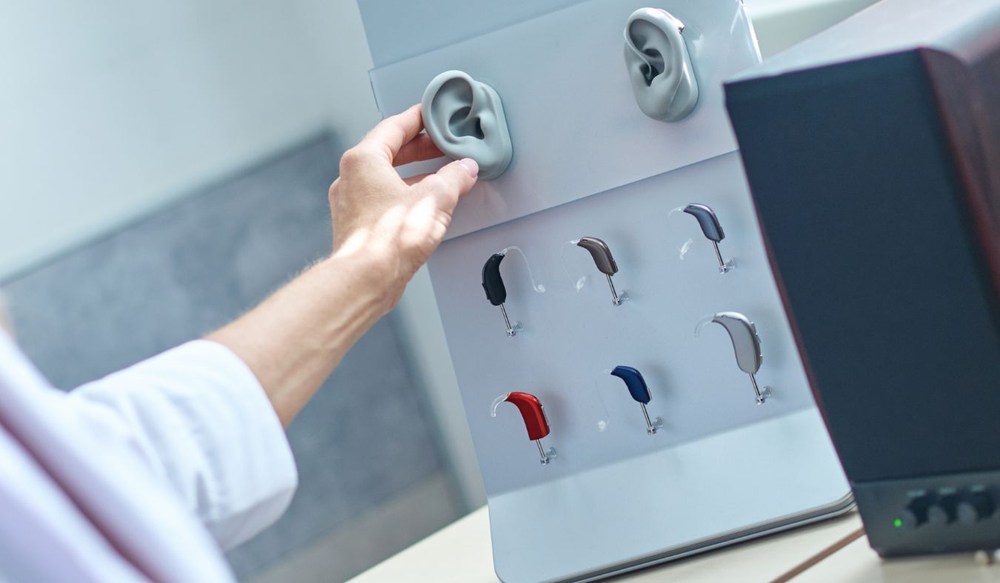
Modern hearing aids offer sophisticated tinnitus management features, including customizable sound therapy programs that can provide relief both day and night. These devices can be programmed specifically for your hearing profile and tinnitus characteristics.

Take Control of Your Sleep and Hearing Health

Don’t let tinnitus rob you of restful sleep and quality of life. At Hearing Aids By Tricia Leagjeld, we understand how disruptive nighttime tinnitus can be, and we’re here to help you find effective solutions.

Our comprehensive approach includes:

  • Thorough Hearing Evaluations: Identifying the underlying causes of your tinnitus
  • Advanced Hearing Aid Technology: Devices with built-in tinnitus masking and therapy features
  • Personalized Sound Therapy: Customized programs designed for your specific symptoms
  • Ongoing Support: Regular adjustments and counseling to optimize your treatment
  • Lifestyle Guidance: Practical strategies for managing tinnitus at home

Ready for Better Sleep?

If tinnitus disrupts your sleep and affects your quality of life, professional help is available. Our experienced team has helped countless Central Oregon residents find relief from bothersome tinnitus symptoms.

Contact Hearing Aids By Tricia Leagjeld today at 541-640-5354 to schedule your comprehensive tinnitus evaluation. Located at 708 SW 11th Street in Redmond, OR, we’re committed to helping you achieve better hearing health and peaceful nights.

Don’t spend another night struggling with intrusive ear ringing. With the right evaluation, technology, and support, you can regain control over your tinnitus and enjoy the restful sleep you deserve.

Remember: Early intervention often leads to better outcomes. Don’t wait—your hearing health and quality of life are worth the investment.