If you spend any real time outside in Central Oregon, you know that a yard project rarely stays simple.
What starts as an hour of mowing turns into trimming, edging and hauling, and by the time you are done, you are dusty, sweaty and ready to call it a day. Most of what you are wearing handles that without much thought.

Hearing aids are not as forgiving. They are sitting right where all of that ends up, close to your skin, open to whatever is blowing through the air, and a few hours of outdoor work can expose them to more fine particles, debris and sweat than a typical week of regular use.

The conditions in this part of the state add another layer to that. The summers here kick up a lot of dust that gets into everything, and anyone who has cleaned out a garage or run a mower on a dry afternoon knows exactly what that looks like.

For hearing aid wearers, that kind of environment puts real wear on the microphone ports and the internal components in ways that are easy to overlook because the damage tends to be gradual.

Dealing With Dust, Dirt and Debris

Hearing aids face a unique set of challenges when you spend time outdoors. Tiny particles like dust and dirt are more than just a nuisance; they can actually get inside the small openings of your devices and interfere with the electronics.

When microphones or speakers become clogged, the sound you hear often becomes muffled or much quieter than it should be. This physical buildup acts like a plug that keeps you from hearing clearly, even if the device is turned all the way up.

These outdoor hazards can also cause more serious issues if they aren’t addressed. Fine grit can work its way into battery contacts or internal parts, which might lead to unexpected shutdowns or static in your ear.

Exposure to sweat or sudden changes in temperature only makes the problem worse, as moisture can cause fine particles to stick and harden inside the ports.

Managing Moisture in Dry Climates

Even in a dry area like the High Desert, moisture remains one of the most common reasons for hearing aid repairs. Sweat from a long hike or a sudden afternoon rain shower can quickly find its way into the sensitive electronics of your devices.

This is especially true for the battery compartment, where even a small amount of dampness can cause power to drain much faster than usual or stop the device from working entirely.

You can protect your devices from dampness by following a few simple habits:

  • Wear a sweatband or hat: A physical barrier can catch perspiration before it reaches the microphones behind your ear.
  • Store them during heavy rain: If you get caught in a downpour, it is safer to keep your devices in a dry, protective case until the weather clears.
  • Open the battery doors: Leaving the compartments open at night allows trapped air to circulate and dry out the internal parts.
  • Use a drying kit: A dedicated dehumidifier or drying jar can pull lingering moisture out of the electronics while you sleep.
  • Wipe them down after exercise: Using a soft, dry cloth to remove salt and oils after a workout prevents buildup from hardening over the ports.

Power Tools and Volume Safety

Using loud equipment like lawn mowers or leaf blowers can be hard on both your ears and your hearing aids. These machines are loud, which can cause your hearing aids to lower the volume or shut off. This happens because the device is reacting to the sound levels.

Beyond just the noise, the strong vibrations from heavy power tools can sometimes loosen battery doors or other small internal parts if you use them for a long time.

It is a good idea to think about how you protect your gear before you start any heavy yard work. Wearing earmuffs over your hearing aids can help block out the roar of the engine while still allowing you to hear important sounds at a safer level.

This setup keeps your devices from being overwhelmed by the constant drone of the equipment.

Knowing When to Leave Your Hearing Aids Inside

Some outdoor tasks come with enough risk that it makes more sense to leave your hearing aids indoors. They are built for everyday use, but certain jobs can expose them to more than they are meant to handle.

If you are pressure washing or using a leaf blower in a dusty area, the amount of water and debris can get past the protective seals. Taking them out for a few hours helps avoid that kind of exposure.

Making the choice to set your hearing aids aside for a short while can save you the headache of an unexpected repair. This is especially true for activities that involve a lot of overhead movement or heavy perspiration, like roofing or intensive gardening.

You can still protect your ears by wearing standard earplugs or earmuffs during these loud projects.

The Importance of Checking Device Fit Before Outdoor Work

Before starting any outdoor project, check that your hearing aids fit securely. Loose devices are more likely to fall out when you bend over or move quickly. A secure fit helps prevent drops that could lead to damage from hitting hard surfaces or landing in dirt or water.

If your hearing aids feel loose or shift while you move, consider using retention clips or sports locks made for your device model. These accessories help keep your hearing aids in place during active tasks and reduce the chance of losing them outdoors.

Spotting Early Signs of Trouble After Working Outside

After spending time outside, take a minute to notice how your hearing aids sound and feel. If something seems off, like sound that is not as clear, a bit of static or a device that shuts off, it is worth paying attention.

You might also notice dirt around the openings or some moisture in the battery area, or find that the volume is harder to adjust than usual or that there is some whistling.

Regular cleaning and careful inspection after outdoor activities help catch issues before they get worse, supporting the long-term performance of your devices.

Protecting Your Hearing Aids From Chemicals

Outdoor projects often involve products that can be surprisingly harsh on the materials used in hearing aids. Items like fertilizers, pesticides and even sunscreens or bug sprays contain oils and chemicals that can eat away at the protective coating of the outer shell.

When these substances come into contact with your hearing aids, they can cause the plastic to become brittle, discolor or even warp over time. If any of these liquids seep into the internal vents, they might cause corrosion on the battery contacts or damage the sensitive microphones.

The best way to keep your hearing aids safe is to be mindful of how and when you apply these products. It is helpful to put on your sunscreen or bug spray and let it dry completely before you place your hearing aids in your ears.

If you are working in the garden with fertilizers or cleaning solutions, make sure to wash your hands thoroughly before touching your ears or adjusting your devices.

A Simple Checklist for Outdoor Hearing Aid Care

Regular maintenance is the best way to keep your hearing aids working well for several years. Taking just a few minutes each day to look over your hearing aids supports their long-term performance and keeps them ready for your next outdoor project.

You can use this checklist to stay on top of daily cleaning and preparation:

  • Check the forecast: Look for high humidity or rain before heading out so you can grab a hat or protective case.
  • Wipe after use: Use a soft, dry cloth to remove any dust, sweat or oils from the surface of the hearing aids.
  • Brush the ports: Gently use a small cleaning brush to clear out any debris that might be blocking the microphones.
  • Inspect the batteries: Look for signs of moisture or rust inside the compartment and leave the door open at night.
  • Store safely: Put your hearing aids in a sturdy, dry case whenever they aren’t in your ears to keep them away from pets or dirt.

How Your Hearing Specialist Can Help

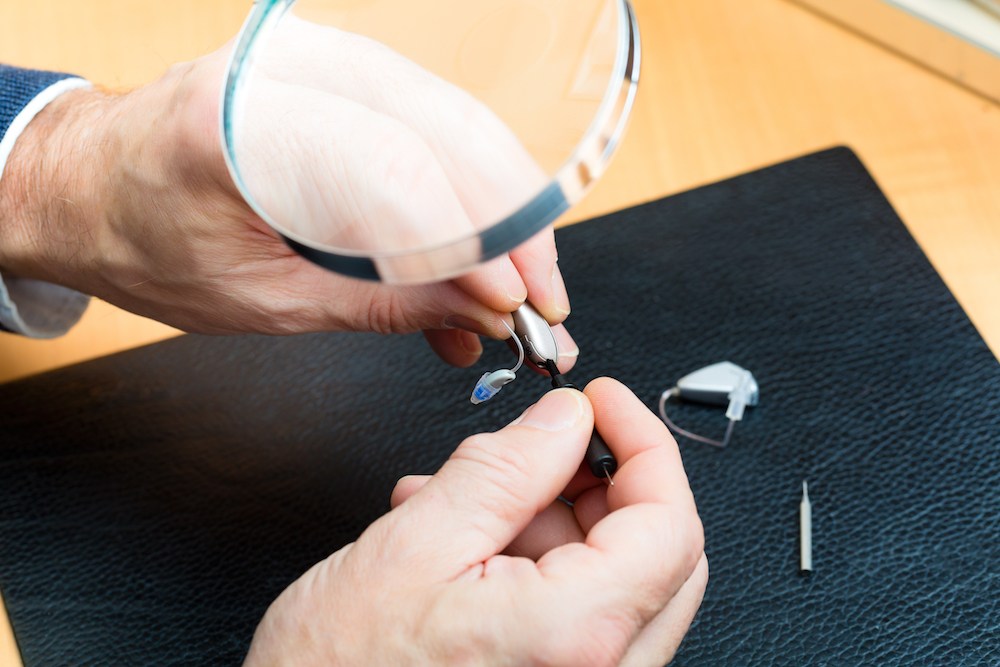
While daily cleaning goes a long way, your hearing specialist plays a vital role in keeping your hearing aids in top shape. Regular office visits allow for a deep cleaning that reaches areas you might not be able to clean at home.

During these appointments, a specialist can use professional tools to remove debris and also perform a thorough examination of the internal components to ensure everything is functioning as it should.

Beyond routine maintenance, your hearing specialist is there to handle any technical issues or repairs that might arise. If you notice a sudden change in sound quality or a physical problem with the casing, they can often provide a quick fix right in the office.

They can also adjust the internal settings of your hearing aids to better match your current needs or any changes in your hearing.

Smart Steps for Protecting Your Hearing Aids During Outdoor Projects

Your hearing aids are built to keep up with daily life, but daily life in Central Oregon puts them through more than most people account for. Staying ahead of that does not have to be complicated.

A few consistent habits around cleaning and storage after outdoor work go a long way toward keeping your devices reliable through a full season of yard projects, not just the first few weeks of spring.

If you are looking for a hearing clinic in the Bend or Redmond area and your devices have not felt quite right lately, or if you just want to make sure you are taking care of them the right way for this climate, Hearing Aids by Tricia Leagjeld is a good place to start.

Give us a call at (541) 640-5354, and we can take a look at what is going on and make sure your hearing aids are holding up the way they should.